 … making human-well-beings
 How to Be Assertive Without Being Aggressive
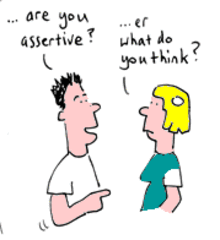
Oxford Dictionary defines the word ‘assertive’ as ‘confident and direct in claiming one’s rights or putting forward one’s views’. Most of us, however, confuse the concept of being assertive with being aggressive. While there is a very thin line that differentiates the two, it is important to be assertive but not aggressive in your approach.
When Assertiveness Becomes Aggressiveness
Let’s consider the difference between the two:
- Anger and judgmental attitude towards people are the hallmarks of aggressive behavior. The language used involves abusive name calling, threats, gossip, catty comments, slips of the tongue and sometimes even physical traction.
- Being inflexible in dealing with issues amounts to aggressiveness.
- Aggressive people lack compassion and empathy. They are more concerned about their own rights, while trampling on the rights of others.
Being Assertive Without Being Aggressive
While being aggressive is definitely not acceptable, being assertive is an essential trait of successful people. Here are some tips on how you can practice assertiveness without aggression:
- Ask directly for what you want. Get out of the culture block that made you believe it was important to be ‘nice’ instead of getting the task done.
- Think carefully about the words you will use when approaching an issue.
- Communicate on a level plane. Either sit or stand together.
- Posture and stance are of utmost importance. An open and relaxed posture, direct eye contact and a facial expression that gels with the message, matter a great deal.
- Only continue the conversation if you are communicating at a moderate pitch. The moment you start shouting, postpone it.
- Nurture values and beliefs that justify being assertive. It is tough because it means allowing you open expression without causing hurt to others.
- Be flexible. For example, consider suggestions of fellow mates while making a crucial decision. Stick to the goal, not the means.
- Prepare for potential failures with an alternative solution and carry it through. This will give you the right body language throughout the discussion and boost your self-confidence.
Change of any kind takes time. Regular efforts will ensure that you ultimately feel better about yourself and achieve just the right balance of confidence and compassion to get what you want.


 ... making human-well-beings
Leave a comment